



In the dynamic sphere of digital marketing, the role of sponsored articles has expanded to become a cornerstone strategy for brands striving to broaden their visibility and strengthen audience engagement. As organizations navigate the complex ecosystem of 2025, selecting the best platforms to distribute sponsored articles while simultaneously optimizing for SEO remains a nuanced challenge. The choices extend beyond simply favoring popular media outlets and require a keen understanding of audience behavior, content preferences, and SEO integration to ensure compelling and effective campaigns. From powerhouse sites like Forbes and HuffPost to innovative hubs such as Medium and BuzzFeed, the landscape offers diverse opportunities tailored to various audience segments and campaign goals. Meanwhile, leveraging insights from SEO stalwarts like Ahrefs, SEMrush, and Moz enriches the campaign’s tactical depth, validating the alignment of sponsored content with broader search engine strategies. This exploration delves into the intricate process of platform selection, audience targeting, and content optimization, equipping brands with a multifaceted approach to excel in sponsored article management against the backdrop of evolving digital trends and SEO imperatives.
How Audience Targeting Shapes Sponsored Article Platform Selection for SEO Success
Effectively managing sponsored articles requires more than just selecting prominent platforms; it hinges fundamentally on understanding the audience you aim to engage. In 2025, this principle remains pivotal as audience analytics tools become increasingly sophisticated, empowering marketers to make data-driven decisions in platform selection and content tailoring.
Platforms vary significantly in their core user demographics, content styles, and engagement patterns. For example, LinkedIn offers a fertile ground for B2B interactions, appealing primarily to professionals and decision-makers, making it an excellent venue for SaaS companies seeking to communicate thought leadership and case studies. Conversely, BuzzFeed captures a younger, lifestyle-oriented audience with content formats such as listicles and visual stories that emphasize shareability and brand awareness.
Using advanced tools like BuzzSumo for content trend analysis or LinkedIn Insights for professional demographics helps refine targeting further. An e-commerce brand, for instance, may prefer partnering with Medium due to its community of engaged readers interested in in-depth storytelling and editorial content, aligning well with blog-style sponsored articles that bolster SEO through backlinking and topical relevance.
Audience segmentation factors into the strategy by recognizing:
- Demographics: Age, gender, location, and income levels influence platform choice—HuffPost’s broad reach contrasts with NewsBreak’s localized focus.
- Interests and Behaviors: Niches such as finance, health, or entertainment require platforms that resonate with those sectors, like Forbes for finance professionals.
- Content Consumption Preferences: Whether audiences favor quick reads, long-form articles, or interactive content determines the ideal format and platform.
Consider the remarkable success of a B2B tech firm that blended LinkedIn’s professional audience access with Forbes’ editorial prestige to enhance SaaS subscriptions. The company published industry-specific case studies on LinkedIn, while Forbes amplified credibility with authoritative coverage, ensuring SEO benefits through quality backlinks and domain authority. This synergy underscores the importance of precise audience targeting in platform selection.
| Platform | Ideal Audience | Content Style | Strengths for Sponsored Articles |
|---|---|---|---|
| Professionals, B2B | Articles, Case Studies, Thought Leadership | High engagement with decision-makers, strong SEO benefits | |
| BuzzFeed | Young Adults, Lifestyle Enthusiasts | Listicles, Quizzes, Visual Stories | Wide reach, highly shareable content, excellent brand awareness |
| HuffPost | General Audience, News-Oriented | Op-Eds, Sponsored Articles, News Features | Broad exposure, credibility boost, diverse audience |
| Medium | Professionals, Thought Leaders | Long-Form Articles, Editorial Content | Quality storytelling, deep engagement, thought leadership |
| NewsBreak | Local News Consumers | Short Articles, News Updates | Localized targeting, mobile reach, quick engagement |
By leveraging additional resources such as Linkow’s insights on audience engagement and SEO, marketers can enhance the precision in platform selection, ensuring sponsored articles are published where they emotionally and intellectually resonate.
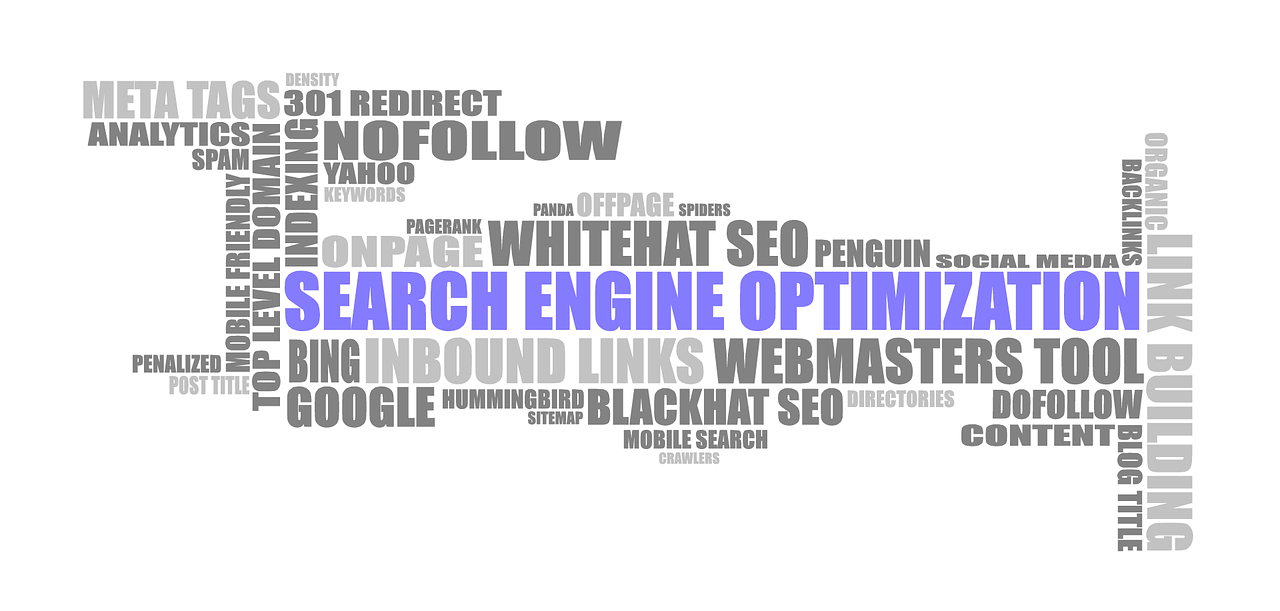
Optimizing Sponsored Article Formats and SEO Integration with Leading Tools in 2025
Content format selection plays a crucial role in the success of sponsored articles, as it directly impacts engagement and SEO performance. In today’s digital environment, platforms support various formats, enabling marketers to experiment and leverage multi-channel strategies.
Most sponsored articles appear in these formats:
- Blog Posts and Bylined Articles: These are staples on sites like Forbes, Medium, and BuzzSumo-powered platforms, useful for establishing subject matter expertise and creating valuable backlinks that boost domain authority.
- Social Media Posts: Platforms like Instagram and LinkedIn enable sponsored posts that benefit from social sharing signals and immediate audience interaction, supported by tools such as HubSpot for campaign management.
- Videos: YouTube and BuzzFeed excel in video content, where SEO advantages include improved time-on-site and enhanced keyword targeting via video descriptions and transcripts.
- Podcasts: Sponsorships in popular podcast series enhance brand recall through conversational trust, an area where tools like MarketMuse help optimize content messaging.
Optimizing sponsored articles for SEO involves several strategies:
- High-Quality Content Alignment: Partnering with platforms such as ContentKing ensures editorial standards are met, avoiding the pitfalls of low-quality, over-commercialized content.
- Strategic Keyword Integration: Leveraging platforms like SEMrush and Ahrefs for keyword research and density optimization builds discoverability.
- Effective Link Building: Thoughtful incorporation of backlinks respecting Google guidelines is critical. Link building expertise can be enhanced via Linkow’s SEO sponsored content strategies.
- Policy Compliance: Transparency with clear “Sponsored” disclosures sustains audience trust and meets legal requirements.
Content recommendation platforms—including Outbrain and Taboola—are increasingly used to distribute sponsored articles broadly, scaling exposure while maintaining intelligent targeting. Utilizing these alongside analytic tools like CoSchedule for scheduling and tracking adds operational efficiency. An example is a lifestyle brand repurposing blog posts into engaging videos with content optimized by Surfer SEO, thus maximizing visibility across multiple platforms.
| Content Format | Best Platforms | SEO Advantages | Engagement Style |
|---|---|---|---|
| Blog Posts / Bylined Articles | Forbes, Medium, BuzzSumo, HuffPost | High-authority backlinks, improved domain ranking | In-depth reading, thought leadership |
| Social Media Posts | Instagram, LinkedIn, Facebook, BuzzFeed | Social signals, real-time feedback | Visual, quick, interactive |
| Video Content | YouTube, BuzzFeed, TikTok | Higher engagement, video SEO | Emotional storytelling, dynamic |
| Podcasts | Independent shows, Audible, Spotify | Brand recall, influencer endorsement | Authentic, conversational |
For further detail, marketers can explore in-depth guides such as Linkow’s SEO campaign sponsored content analysis and learn to balance creative content with technical SEO.
Platform Credibility and Content Quality: Pillars of Effective Sponsored Article Distribution
Brands seeking to amplify their digital presence understand that the publishing platform’s quality significantly shapes the perceived authority and SEO value of sponsored articles. High editorial standards and transparent sponsorship disclosures foster user trust and amplify SEO benefits.
Evaluating a platform’s suitability involves:
- Editorial Oversight: Platforms with rigorous fact-checking and vetting—such as Forbes and Contently—guarantee content authenticity and quality.
- Transparency in Sponsorship: Clearly marked sponsored content fulfills FTC regulations and cultivates credibility.
- Audience Engagement: Platforms that encourage active user interaction through comments and social sharing, such as BuzzFeed and Medium, enhance content value.
- SEO Authority: Sites with high domain authority contribute valuable backlinks that improve a brand’s search positioning, an advantage confirmed by Moz and Ahrefs data.
Choosing less credible venues can expose brands to reputational risks and diminish SEO gains. Additionally, content quality directly affects search engine perception; Google favors content providing genuine value. ContentKing and SEMrush analytics reveal that better structured, fact-based sponsored articles enjoy higher rankings and longer audience retention.
| Assessment Criteria | High-Quality Platforms | Lower-Quality Platforms |
|---|---|---|
| Editorial Oversight | Thorough review and fact-checking | Minimal or irregular review |
| Transparency | Clear sponsorship disclosures | Ambiguous labeling |
| Audience Engagement | High social interaction | Low engagement |
| SEO Authority | Strong domain authority, quality backlinks | Weak authority, questionable links |
Agencies and platforms like Contently streamline quality assurance by providing expert content creation and distribution services, pillars that many brands find indispensable today. To explore how to optimize brand messaging within sponsored content, visit this insightful Linkow article.
Enhancing Sponsored Article Campaigns with Influencer Engagement and Content Recommendation Networks
The fusion of influencer marketing with sponsored articles has evolved into a highly effective tactic in 2025. Influencers lend authenticity and targeted reach, which augment sponsored article campaigns’ engagement and conversion potential.
Reasons to integrate influencers include:
- Authentic Voice: Influencers communicate brand messages in a relatable manner, building trust with niche audiences.
- Targeted Reach: Collaborations with influencers ensure content exposure to specific, segmented communities.
- Content Amplification: Influencers disseminate sponsored articles across social channels, expanding impressions and engagement.
- Diverse Content Formats: Combining influencer videos, blog posts, and social media enhances campaign versatility.
For example, Nerf’s partnership with the popular YouTube group Dude Perfect illustrates how entertaining content merged with product promotion can drive millions of viewers’ engagement.
Additionally, content distribution platforms like Outbrain and Taboola offer scalable solutions to amplify sponsored articles beyond traditional publishers. These networks apply AI-driven targeting to place content where it’s most likely to engage interested users.
| Approach | Strengths | Considerations |
|---|---|---|
| Influencer Partnerships | High trust, niche targeting | Costs vary, requires vetting |
| Content Networks (Outbrain, Taboola) | Scalable reach, diverse publisher access | Engagement quality may vary |
| Direct Publisher Collaboration | Brand prestige, quality control | Higher cost, lesser flexibility |
Combining these strategies with robust analytics tools such as HubSpot and CoSchedule improves campaign management and ROI assessment, as detailed in this comprehensive guide.
Tracking and Analyzing Sponsored Article Performance with Advanced Metrics and Tools
Measuring the effectiveness of sponsored article campaigns is crucial for continuous improvement and maximized impact. Tools and metrics have matured significantly, enabling marketers to derive deep insights.
Key performance indicators (KPIs) include:
- Engagement Metrics: Time on page, shares, comments, and click-through rates reveal user interaction depth. Nielsen data highlights an average of 2.5 minutes spent reading sponsored articles, a vital benchmark.
- Traffic and Lead Generation: Visitor numbers, bounce rates, and conversions reflect the campaign’s business impact.
- Brand Lift Metrics: Surveys measuring brand awareness and perception shifts post-campaign offer valuable qualitative data.
- SEO Impact: Backlink quality, domain authority shifts, and keyword ranking improvements indicate long-term benefits.
Integrated platforms such as Google Analytics combined with tools like Advertise.com and Contently enable centralized management and detailed reporting, allowing for data-driven strategic shifts.
| Metric | Purpose | Recommended Tools |
|---|---|---|
| Average Time on Page | Assess engagement depth | Google Analytics, Linkow.io |
| Click-Through Rate (CTR) | Measure call-to-action effectiveness | Advertise.com, BuzzFeed Analytics |
| Conversion Rate | Track lead and sales generation | LinkedIn Campaign Manager, Contently |
| Backlink Quality | Evaluate SEO advantage | Linkow.io, Moz, SEMrush |
For comprehensive optimization, marketers can refer to Linkow’s resource on tracking sponsored articles for SEO to deepen their understanding of measurement techniques and adaptive strategies.
FAQ: Essential Insights on Managing Sponsored Articles and SEO Tools
- What defines the ideal platform for sponsored articles?
It’s a platform that aligns precisely with your audience demographics, supports your preferred content format, maintains strong SEO authority, and ensures clear sponsorship transparency. - How critical is transparency in sponsored article campaigns?
Transparency is vital for building audience trust and complying with regulations such as FTC guidelines. Labels like “Sponsored by” are standard on platforms like Forbes and LinkedIn. - Can influencer partnerships really boost sponsored article effectiveness?
Absolutely. Influencers provide authentic voices and targeted reach that can markedly increase engagement, credibility, and conversion rates. - Which tools are best for SEO-focused sponsored articles?
Platforms with strong editorial control like Forbes, HuffPost, and Medium provide valuable backlinks. SEO tools such as SEMrush, Ahrefs, and Moz complement these by enabling keyword research and backlink analysis. - How do content recommendation networks enhance the reach of sponsored articles?
Networks such as Outbrain and Taboola distribute content across multiple publishers, increasing audience exposure and driving targeted traffic efficiently.


