

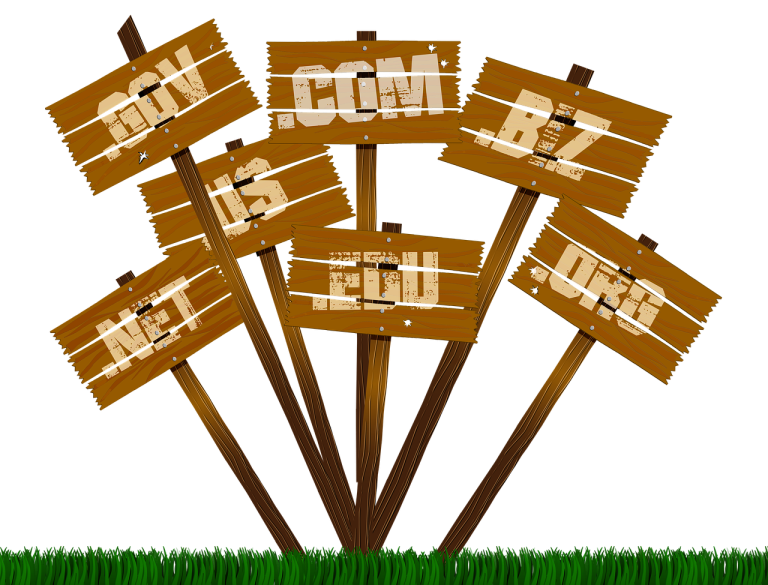

In today’s bustling digital landscape, the domain name for a niche site can be the difference between an easily recognizable online presence and one that’s lost in the Internet wilderness. With over 360 million domain names already registered, finding a unique, brandable, and SEO-friendly domain requires not just creativity but a strategic approach. This extends beyond being a mere web address—it’s your brand’s first impression, a significant aspect of your SEO strategy, and a cornerstone of your digital marketing efforts.
A fitting domain name can exponentially boost your brand’s memorability, trustworthiness, and authority. From convincing Google’s algorithms to getting that coveted click from a potential customer, a well-chosen domain name is key. However, navigating through the plethora of options—from traditional “.com” extensions to newer ones like “.ai” or “.store”—can be daunting. Coupled with considerations around avoiding legal pitfalls, maintaining brand cohesion across platforms, and crafting a name that resonates with your audience, the task is anything but straightforward.
Yet, this complexity brings opportunity. By mastering the art of domain selection, including keywords strategically, ensuring future scalability, and leveraging the tools and platforms available today from GoDaddy, Namecheap, Bluehost, and others, you can lay a robust foundation for your online venture. Understanding Google’s constant updates and ensuring that your choice aligns with current SEO best practices are vital steps [refer to this overview]. Pick right, and you facilitate a strong online presence that can evolve as your brand does over time.
Mastering the SEO Game with Your Domain Name
Your domain name isn’t just crucial for user perception; it significantly influences your SEO. Although Google’s algorithms have evolved past generously rewarding exact match domains (EMDs), the presence of relevant keywords in your domain still holds value. They provide users and search engines immediate context, which can positively affect click-through rates and user retention. Combining a strong, branded element with a pertinent keyword can create a domain name that serves both branding and SEO purposes.
For example, consider a health-focused blog. A name like “WellnessWave.com” cleverly uses the keyword “wellness” while remaining brandable and memorable. This dual approach helps establish the website as an authority in its niche, aiding organic search performance.
Additionally, ensuring that your domain aligns with Google’s quality and usability expectations remains crucial. A domain must not only sound appealing and be easy to type but also be easy to recall and share. This becomes particularly critical when you consider user behavior signals, which Google values highly. Therefore, focusing on content quality and user experience on the site itself also complements the SEO efforts initiated by a smart domain choice.
Given these multifaceted considerations, resources like GoDaddy and Namecheap offer domain name generators that help in brainstorming ideas and checking real-time availability. This step-by-step guide to building your domain [visit full guide] can optimize your brand’s online identity right from the outset.
The Art of Choosing the Right Domain Extension
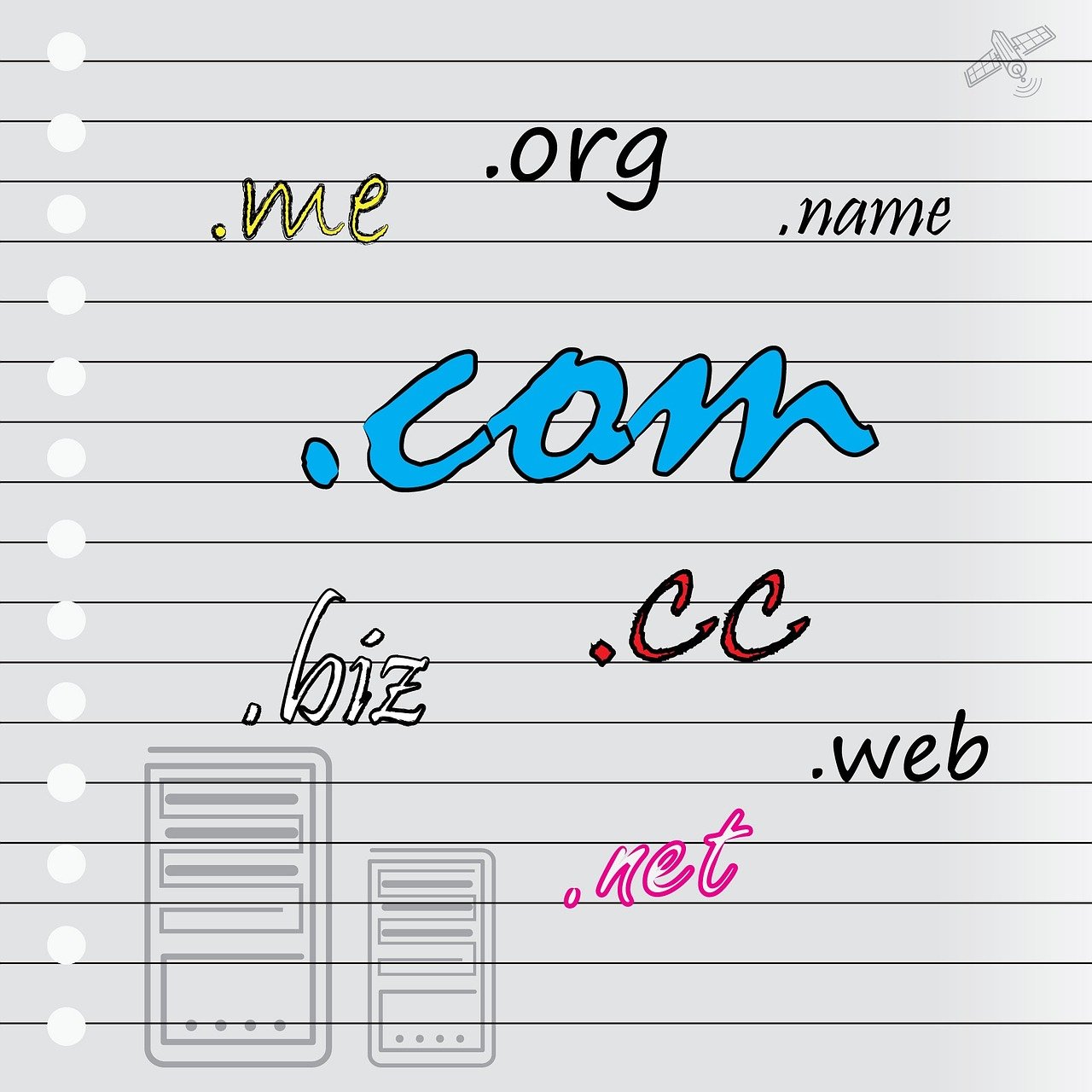
When it comes to choosing a domain extension, “.com” remains the top choice due to its broad acceptance and trustworthiness. However, with the rise of industry-specific extensions like “.ai” for tech companies or “.store” for e-commerce, there’s an evolving narrative. These extensions can offer an opportunity to create a more distinct identity, particularly in niche markets. Yet, it’s imperative to balance this with the risk of potential user confusion and the limitations these extensions might impose.
Consider a comprehensive assessment of your audience and market goals. Here’s a succinct comparison:
| Extension | Use Case | Trust Level | Notes |
|---|---|---|---|
| .com | Universal, Business | High | Broad trust and recognition |
| .ai | Tech, AI-focused | Medium-High | Resonates with tech-savvy audiences |
| .store | Retail, E-commerce | Medium | Best for shops and online marketplaces |
| .org | Nonprofit, Community | High | Trustworthy but not for commercial use |
Deciding between a traditional “.com” and a niche-specific extension should also consider how each extension might impact SEO. While Google treats all domains equally in its indexing process, user trust and engagement may differ. The right extension can enhance your brand’s credibility [explore more here] if strategically aligned with your business objectives.
Exploring Future Opportunities with Emerging Extensions
As we look toward the future, new extensions continue to emerge, allowing for creative branding opportunities that align closely with your enterprise’s focus. Establish a comprehensive strategy by evaluating these against your long-term growth goals. This includes ensuring that users can recall and type your address easily and that the chosen extension dovetails with the anticipated trends in your industry. It could be beneficial to reserve multiple extensions, including potential future rebrandings or redirections if your enterprise expands or changes focus.
Pitfalls to Avoid: Common Domain Name Mistakes
Choosing a domain name comes with its own set of challenges, and missteps in this area can lead to brand confusion or even legal issues. Here are some pitfalls you should vigilantly avoid:
- Complexity: Avoid using obscure spellings, hyphens, or numerical values, as these elements can lead to consumer confusion and typographical errors.
- Legality: Ensure your choice is not infringing upon a registered trademark. Resources like the Trademark Electronic Search System (TESS) can facilitate this precautionary step.
- Availability: Verify that your chosen name is available across all intended platforms, including social handles. Tools such as Namecheckr and Knowem can expedite this process.
- Future Expansion: Avoid restrictions by opting for domain names that won’t hinder potential business expansion. Selecting overly specific names can limit your ability to grow or pivot.
A misjudged domain not only affects SEO and shatters brand consistency but can also cause legal headaches. Additionally, it’s important to evaluate any potential domain name against the historical performance and reputation of expired domains via tools like Wayback Machine or WhoISlookup. Such diligence ensures that you are not inheriting past negative SEO impacts or spam associations.

Legal Considerations and Trademark Avoidance
One critical aspect often overlooked is the legal landscape surrounding domain name selection. Failing to conduct thorough research on potential trademark conflicts can have immense repercussions. Besides potential litigation, there is the risk of losing the domain after launch if it violates existing brand ownership. To safeguard against these risks, consulting a legal professional to review your domain choice ensures that all bases are covered.
Utilizing Tools and Platforms for Optimal Domain Management
After acquiring the perfect domain name, managing it effectively requires making informed decisions about domain registration and maintenance. Choosing a reputable registrar can make a significant difference in user experience, support, and additional features. Popular registrars like GoDaddy, Namecheap, and Domain.com offer robust packages that can enhance your domain strategy with privacy protection, forwarding options, and flexible renewal conditions.
Additionally, opting for web hosting services that bundle free domain names for the first year, such as Bluehost and HostGator, can provide an economical entry point to online presence establishment. These providers often package SSL certificates and email hosting, which are crucial for first-time site builders.
| Company | Features | Cost | Best for |
|---|---|---|---|
| Bluehost | Free domain for 1st year, SSL, 1-click WordPress install | $2.95/month | Beginner site builders |
| Namecheap | Privacy protection, DNS management | $10/year | Affordability-focused users |
| HostGator | Templates, domain forwarding | $3.75/month | Comprehensive site management |
| Domain.com | Easy-to-use dashboard, reliable support | $9.99/year | First-time buyers |
Leveraging Domain Checkers and SEO Tools
Mastering domain management extends beyond registration. It entails consistent monitoring and optimizing SEO practices to keep your online presence formidable. Leveraging advanced domain checkers and placing significant focus on SEO insights [explore more] guides ongoing online success. Understanding your website’s historical SEO data through tools like Ahrefs or Moz helps identify strengths and areas of growth, cementing your strategic advantages in your niche.
Ensuring Long-Term Viability of Your Domain
Your domain name is a long-term investment, so ensuring it remains viable as your brand matures is crucial. This involves anticipating potential growth trajectories for your business and selecting a name that reflects this ambition. Aim for specificity matched by flexibility, avoiding trends that are fleeting or names that may limit market expansion. This strategic foresight aids not just in branding but also in SEO, as it aligns your digital presence with Google’s focus on domain longevity and authority.
Consider competitors and industry leaders: what domain strategies have proven successful, and how can they inform your decisions? By melding industry insights with innovative thinking, businesses can sustain a domain’s relevance and effectiveness through various stages of growth. Visit here“>How to Choose the Best Domain Name for further insights.
To future-proof your digital identity, consider registering your domain for multiple years to show commitment to search engines. This decision can subtly augment your reputation in Google’s eyes, contributing to more stable rankings and authority signals over time.
Anticipating Growth and Market Changes
Strategically forecasting your company’s trajectory and its online nomenclature’s alignment with anticipated growth can obviate future rebranding. A sound investment in a versatile domain pays dividends through brand consistency, recognition, and authority over time.
As digital trends and market dynamics evolve, the value of a foresighted domain investment becomes clear. By planning your web presence to support your long-term objectives, you’re more likely to navigate industry upheavals seamlessly and maintain a strong, engaging audience connection.
FAQ About Choosing Domain Names
- What is the best domain extension for a business? While “.com” remains the most universally trusted and recommended extension, exploring industry-specific suffixes like “.ai” for tech startups or “.store” for retail can offer unique branding advantages.
- Can I change my domain name later? While it’s technically possible to change your domain name, doing so can affect SEO and branding negatively. It requires a comprehensive strategy including 301 redirects, updates on all linked platforms, and patient rebuilding of search rankings.
- How do I ensure my domain name isn’t infringing on any trademarks? Use online resources like the Trademark Electronic Search System (TESS) to confirm no existing trademark conflicts. Consulting a legal professional for a thorough review is also advisable.
- How often should I renew my domain name? It’s wise to renew your domain name for multiple years beyond the initial term, ensuring continuity and reducing the risk of expiration or loss.
- Are there any SEO benefits to choosing certain domain extensions? Google does not explicitly favour any domain extensions for SEO, but user trust, click behavior, and credibility tied to certain extensions can indirectly impact SEO performance.


